How to Choose the Right Pigment for Your Client?
There’s a moment in the studio that reveals everything.
The client is already in the chair. Makeup removed. Lighting set.
You look at her face… and you don’t do anything yet.
This is the moment when the most important decision of the entire procedure is made.
Not at the machine. Not when choosing pigments.
But right here — at the analysis stage.
Pigment selection in PMU is more than just math — and it’s not chemistry either.
It’s the ability to read the face: color, contrast, harmony.
Choosing the right pigment requires a sense of aesthetics and an individual approach to each client. Only then can the result be truly harmonious and subtle.
That’s why professional pigments — and the best-quality formulas — are the best choice for every beauty type.
Beauty Type Analysis – How to Recognize Your Client’s Individual Features
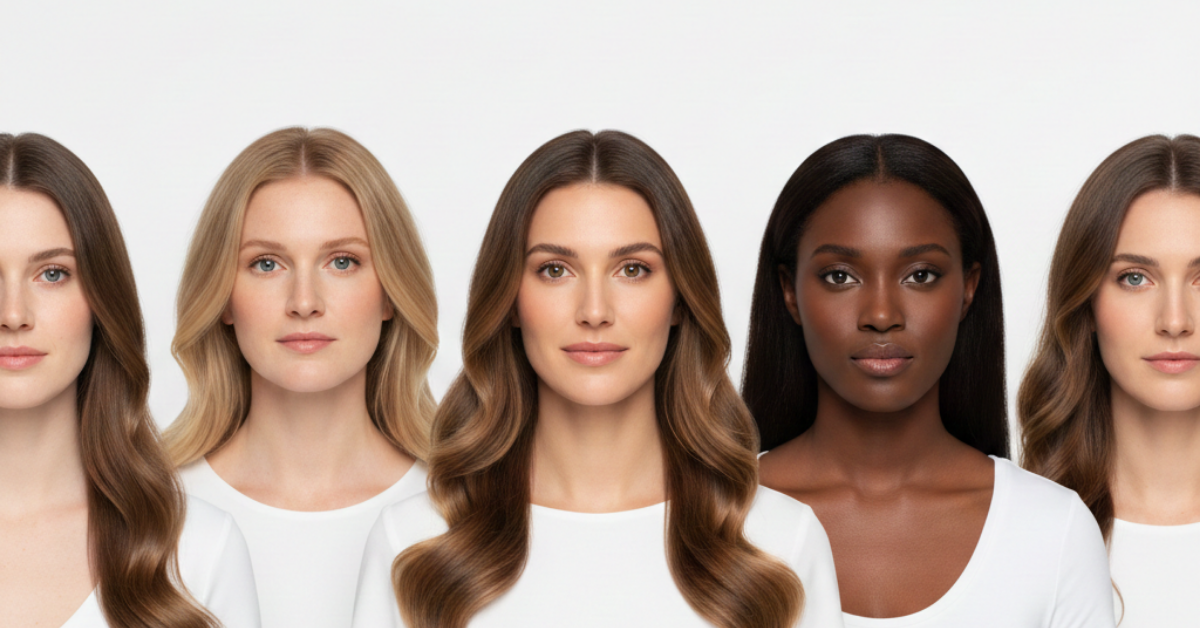
Beauty type analysis is one of the most important elements in the process of selecting the right pigment for permanent makeup. Every client is different — she has her own unique skin tone, hair color, and eye color, which together create her individual beauty type. Proper analysis allows you to choose a pigment that looks natural and enhances her features, rather than overpowering them.
Start by looking at the whole picture — don’t focus on just one element. Pay attention to whether the client’s skin has a cool, warm, or neutral undertone. Check her hair color — is it light, dark, or does it have a clearly warm or cool tone? Is it dyed? Don’t forget about the eyes — their color also influences the final PMU result.
Pay attention to:
- skin tone and its reactions,
- redness and visible vessels,
- hair, lashes, and overall facial contrast,
- age and facial expressions.
Pigment does not exist on its own.
It will always be part of this face.
Skin properties, its tendency toward discoloration, and the intensity of its reactions play a key role in the pigmentation process and pigment retention. Choosing the right pigment directly affects the longevity of permanent makeup as well as the natural final result.
Makeup should not dominate — it should work in harmony with the client’s natural features.
This way, every client can enjoy permanent makeup that looks like her own — just better.
Hair Color and Pigment Selection – What to Consider When Choosing the Right Shade
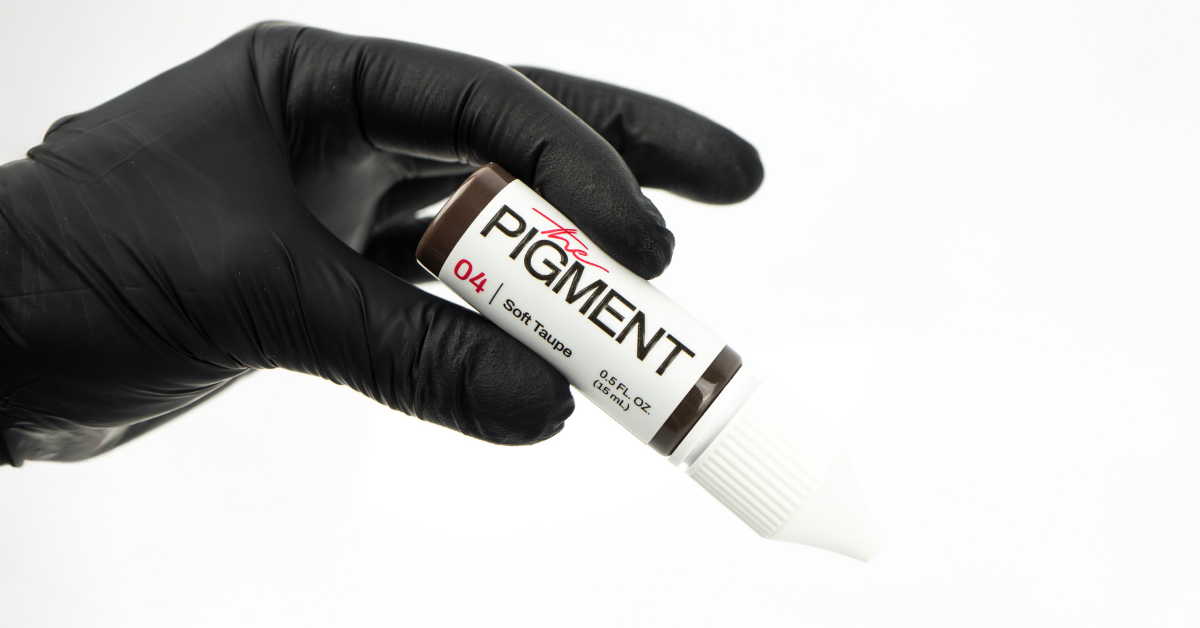
A client’s hair color is one of the key factors that significantly influences pigment selection in permanent makeup. The right pigment shade should harmonize with the natural hair color to ensure a cohesive and natural-looking result.
For dark hair, deeper and more насыщated shades — such as dark browns — work best. This ensures that brows or eyeliner won’t appear too light against intense hair color (in the case of eyeliner, always pay close attention to the eye frame).
For lighter hair, it’s better to choose lighter pigments that won’t overpower the client’s delicate features. It’s also important to consider the hair tone — if it’s warm (golden, honey), opt for pigments with warm undertones. For cool hair (ashy, platinum), cooler-toned pigments will work better.
Remember, choosing a pigment based on hair color is not just about aesthetics — it also affects the longevity of permanent makeup. A well-chosen pigment keeps the result looking fresh and natural over time, allowing the client to feel confident every day.
Fitzpatrick Scale and PMU Pigment Selection – How to Read It in Practice
The Fitzpatrick scale is a starting point, not a final answer.
It tells you how cautious you should be — not which color to choose.
Type I–II
Light, thin skin, often vascular.
Any mistake in pigment temperature will become visible faster and more intensely.
Type III–IV
The most “comfortable” types — but also the most deceptive.
It’s easy to think “everything will work.”
It will — but not everything will heal well.
Type V–VI
More melanin = different pigment behavior.
Here, intensity and the ability to predict color stabilization over time are key.
Remember: Fitzpatrick is the background.
Observation tells you the rest.
Warm and Cool PMU Pigments – How to Match the Tone to Your Client’s Skin
A pigment always blends with what is already in the skin.
That’s why the question is not: “Is this a nice color?”
But: “What will this color look like after healing?”
When choosing a pigment, pay attention to different tones — properly matching pigment shades to the client’s skin type, hair color, and eye color is key to achieving a natural-looking permanent makeup result. Keep in mind that after healing, the pigment may appear lighter, which makes correct shade selection even more important.
Warm pigments:
- enhance redness,
- intensify yellow tones,
- add “life” to the result.
Cool pigments:
- calm the skin visually,
- neutralize warmth,
- but may emphasize bluish or purplish undertones.
Remember: always check which tones are already present in excess in the skin.
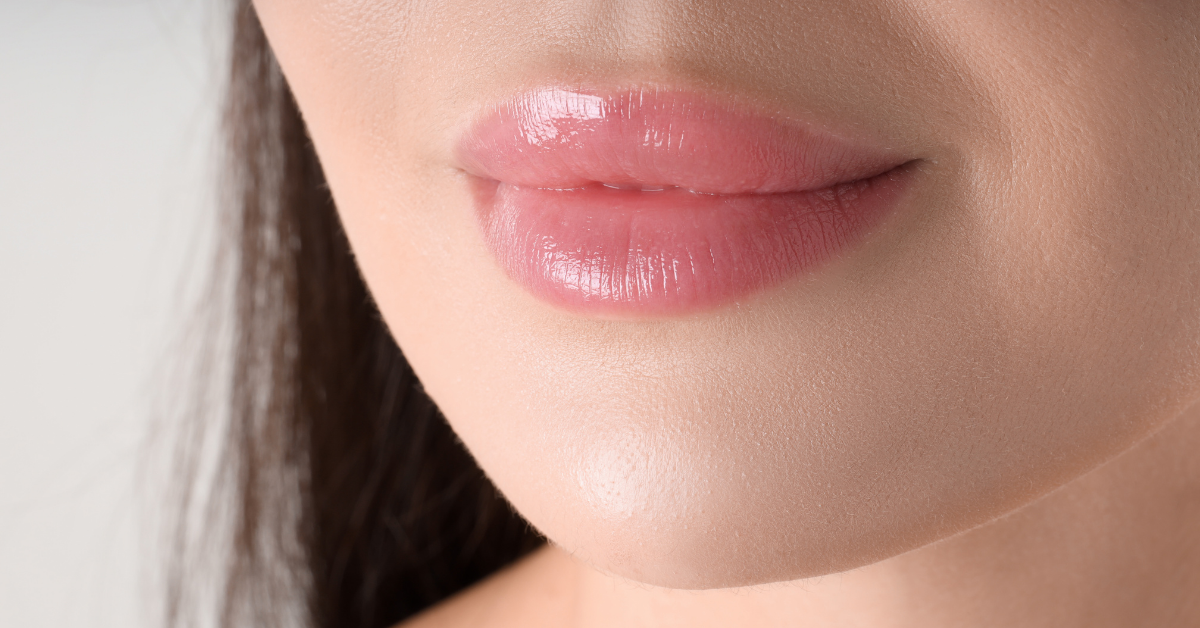
How to Choose the Right Lip Pigment in Permanent Makeup
Lips are the most unpredictable.
Because they don’t just react with the pigment — they must also harmonize with the entire face.
Which pigment to choose for lips with yellow-toned teeth?
If the teeth are warm or yellowish — avoid warm pigments.
Peach and coral shades will only enhance this effect.
Neutral or slightly cooler tones won’t intensify the warmth and can visually make the teeth appear whiter.
Which pigment to choose for bluish lips in PMU?
Bluish lips already have a cool undertone.
If you add a cool pigment — you will reinforce that discoloration.
Here, warmth works like a corrector:
- restores balance,
- adds life,
- won’t turn orange if chosen correctly.
How to choose a pigment for lips with multiple tones
Some lips don’t have just one color — and that’s completely normal.
Don’t try to “fix everything at once.”
Choose the dominant tone and gently bring the rest toward it.
Pigmentation should unify — not fight against nature.
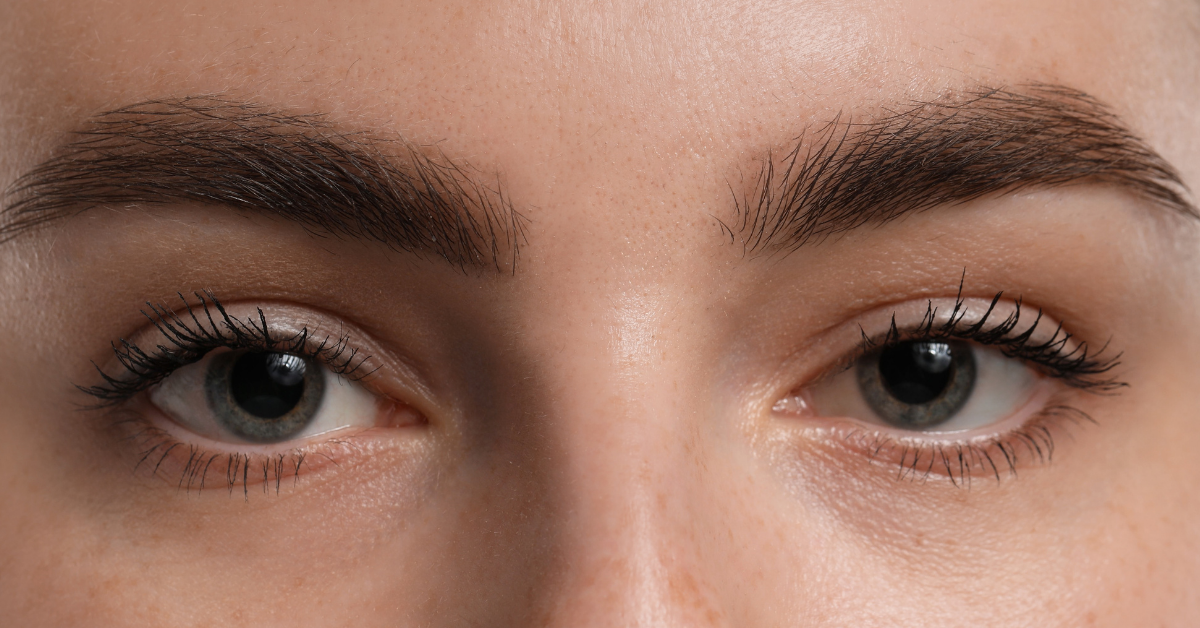
How to Choose the Right Brow Pigment in PMU for a Natural Look
Good permanent makeup is the kind you don’t see as a separate layer.
Which pigment to choose for brows with light hair?
Light hair + dark pigment = conflict.
A dark pigment:
- stands out from under the hair,
- looks heavy,
- disrupts the natural softness of the brows.
The exception?
If the client consciously uses henna and wants a stronger effect.
What matters most in brows
Intensity matters more than color.
The pigment should blend into the natural hair.
If someone sees “beautiful brows” — not “beautiful permanent makeup” — you’ve won.
Which Pigment to Choose for Eyeliner in PMU
Eyeliner can do everything… or ruin everything.
Which pigment to choose for eyeliner with light lashes?
A black line on light lashes:
- overwhelms the eye,
- takes away softness,
- makes the lashes disappear.
Graphite or brown:
- preserve lightness,
- enhance the eye,
- look more refined and luxurious after healing.
How to Choose PMU Pigment According to the Client’s Age
With mature clients, pigment acts like light or shadow.
The best choices are:
- pastel shades,
- warm or neutral tones,
- soft transitions.
Permanent makeup is not meant to redraw the face.
It’s meant to refresh it.
The Most Common Mistakes in Pigment Selection – What to Avoid in Practice
In permanent makeup, even a small mistake in pigment selection can have a significant impact on the final result.
One of the most common mistakes is skipping the analysis of the client’s beauty type — focusing on just one aspect, such as skin tone, without considering hair color, eye color, tooth shade, or natural brow hair. This can lead to a result that doesn’t harmonize with the client’s overall features and looks unnatural.
Another mistake is choosing a pigment based solely on how it looks in the bottle. PMU pigments can appear completely different after application and healing, so it’s essential to consider how they will interact with the client’s natural skin tone.
By avoiding these common mistakes, you’ll ensure that your clients receive permanent makeup that is not only long-lasting but, above all, beautiful and tailored to their individual features.