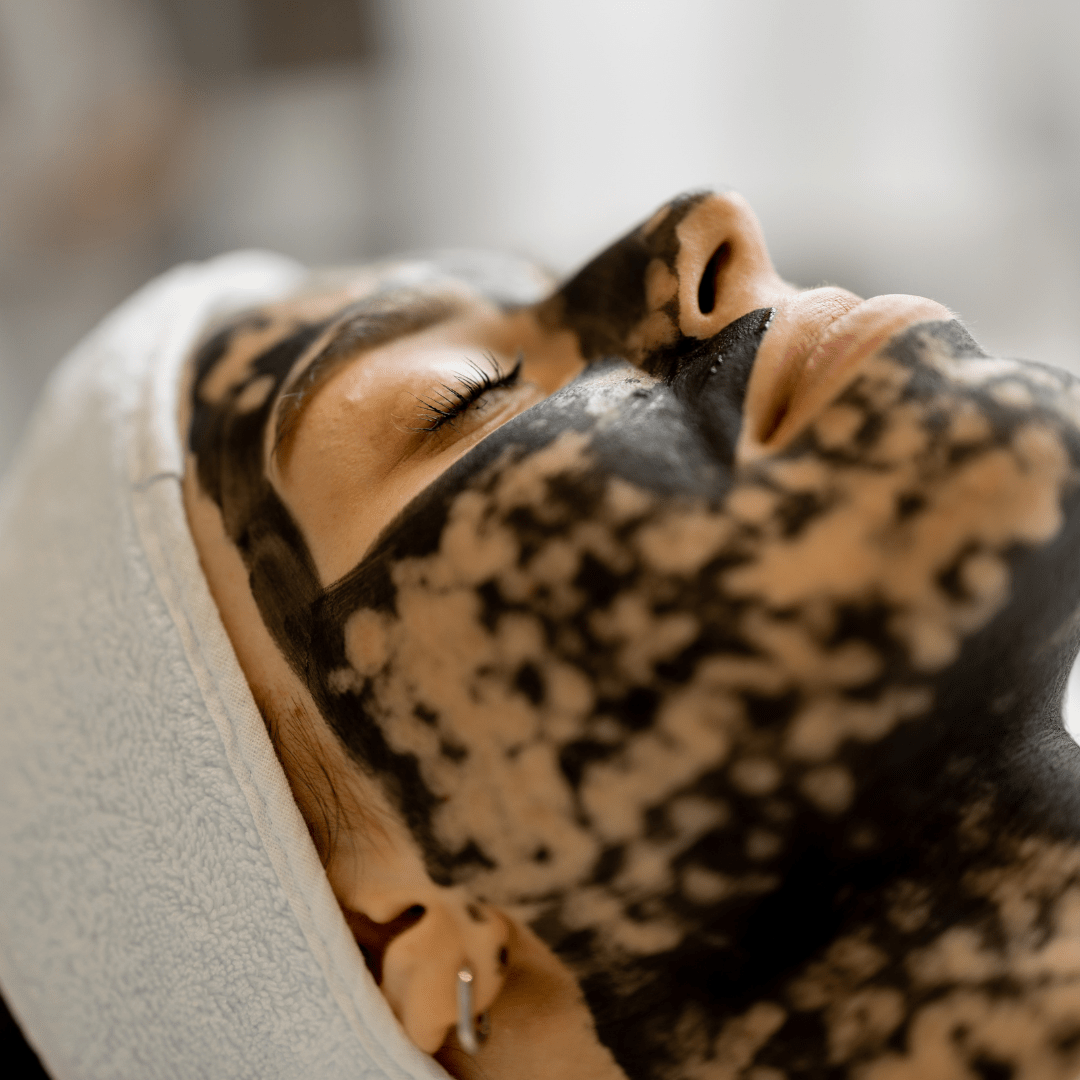
Black Doll – Laser Carbon Peel in a Professional PMU Studio
If you run a PMU studio, beauty salon, or aesthetic practice, you’re probably looking for treatments that attract clients, deliver visible results, and allow you to expand your offer without investing in complex medical procedures.
All you need is a laser for permanent makeup or tattoo removal.
The Black Doll treatment, also known as the Carbon Peel, is exactly that kind of solution — effective, comfortable, and perfectly suited to the realities of a modern beauty studio.
Key Information
- Black Doll is a laser carbon peel that combines a special activated charcoal mask with the action of an Nd:YAG Q-Switch laser — a laser procedure with proven effectiveness in improving skin condition.
- The main effects of the treatment include deep pore cleansing, skin brightening, pore tightening, regulation of sebum production, and support for acne-prone skin.
- The treatment is comfortable and virtually painless — it does not require anesthesia, and the skin may be only slightly reddened for a short time afterward, with no downtime.
- It is an ideal complementary service for a PMU studio — it prepares the skin for permanent makeup, improves pigment healing, and increases client retention. You expand your price list without additional investment costs.
In this article, you will find a practical guide — from the procedure itself, through recommended frequency and post-treatment care, to answers to the most common client questions.
What is Black Doll – Laser Carbon Peel in Everyday Salon Practice
From the perspective of a cosmetologist or PMU artist, laser carbon peeling is one of the most rewarding treatments in everyday studio practice. It combines immediate, visible results with long-term improvement in skin quality — exactly what our clients are looking for.
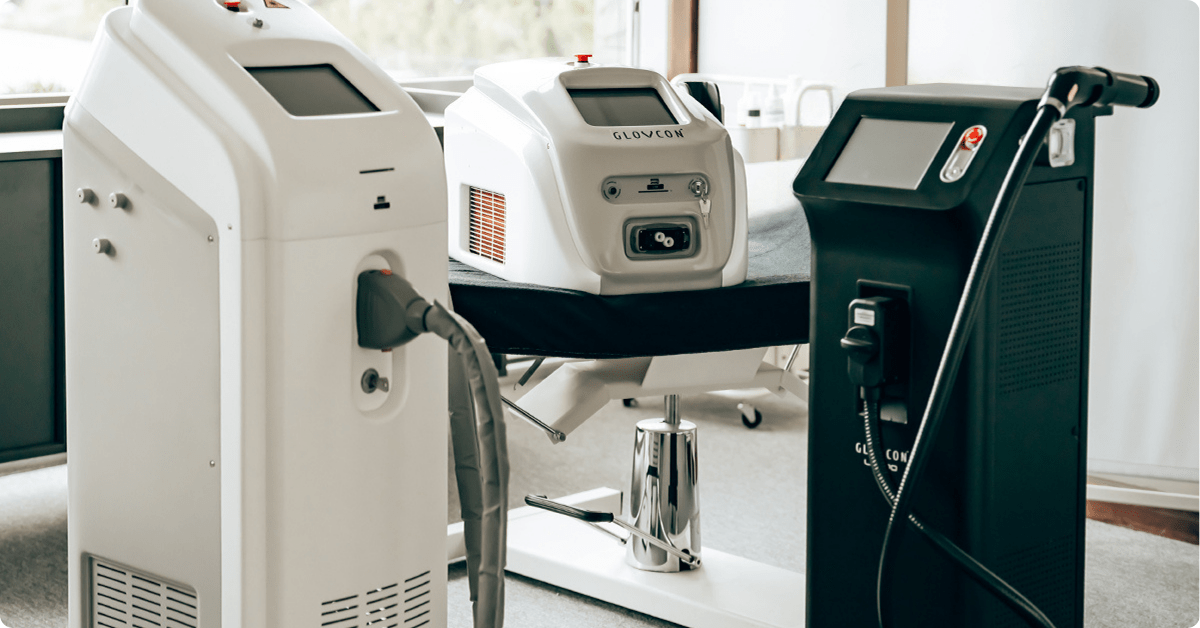
The procedure uses an Nd:YAG Q-Switch laser, most commonly operating at a wavelength of 1064 nm, in combination with a specialized carbon mask. It is this combination that makes the treatment so effective.
How does it work in practice?
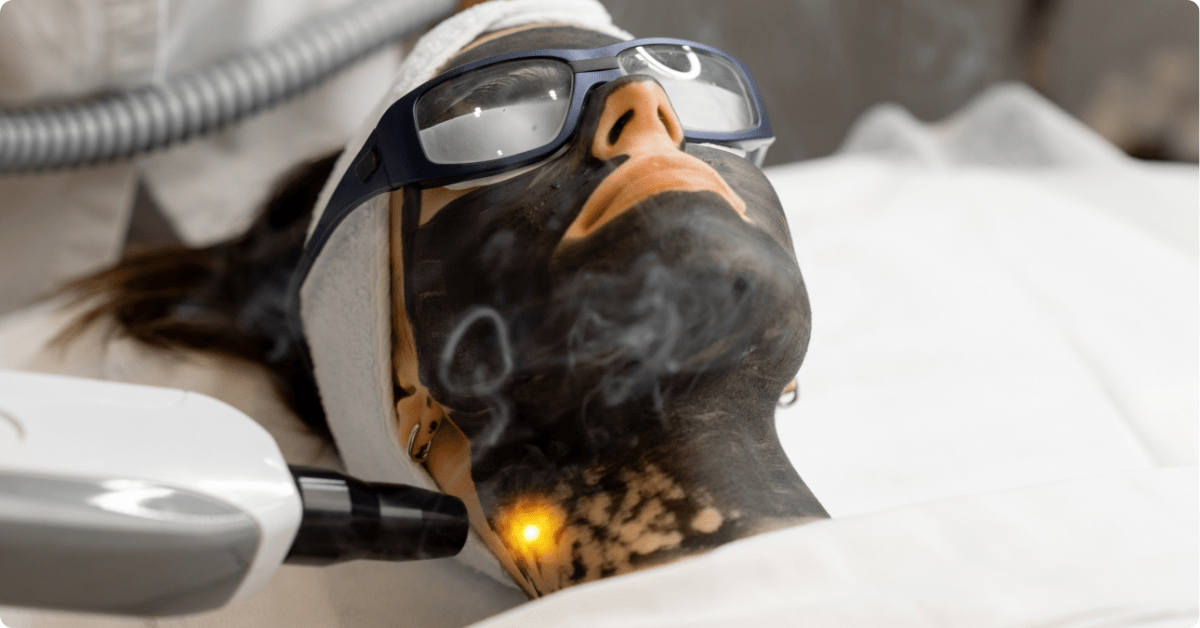
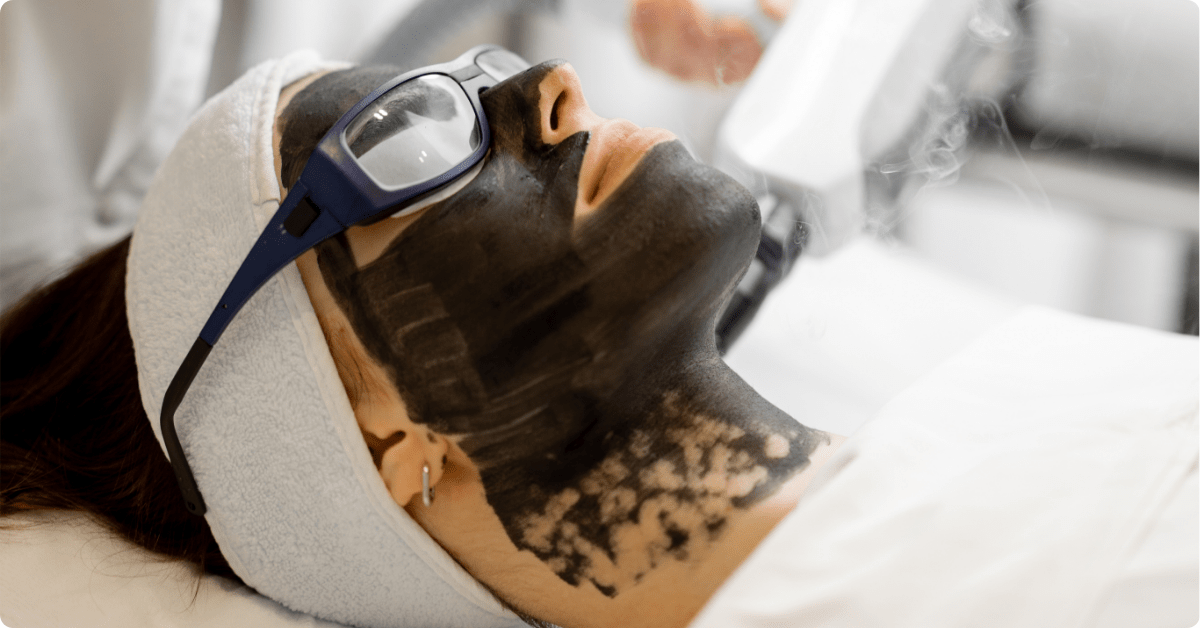
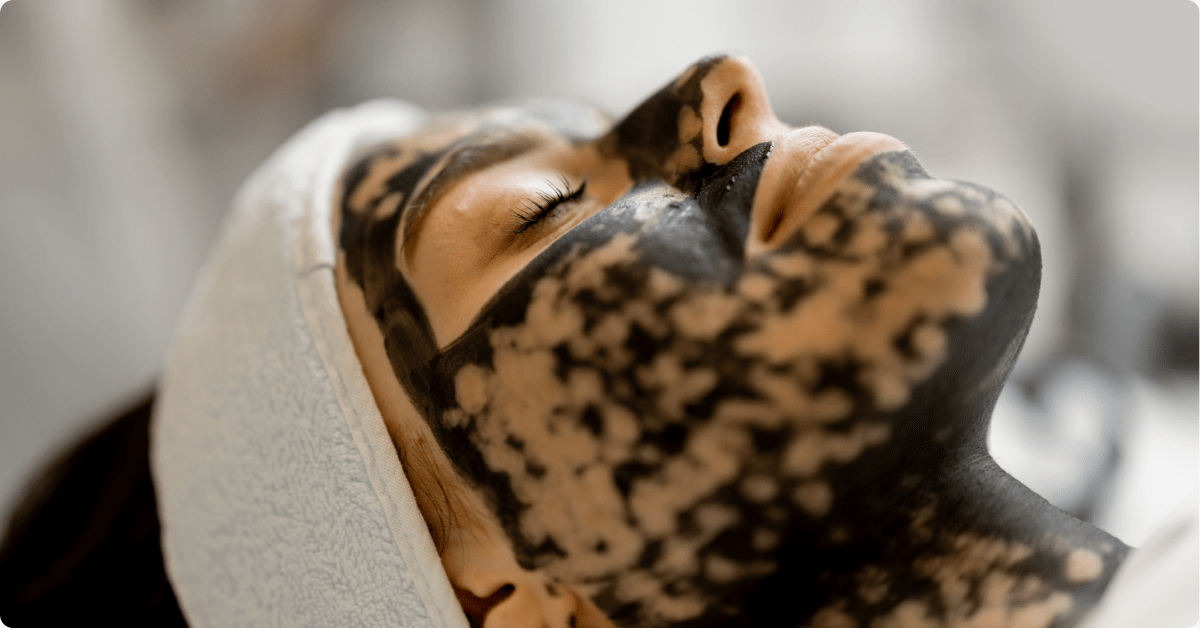
Carbon particles penetrate the pores and the smallest irregularities on the skin’s surface. When the skin is exposed to the laser beam, the carbon particles absorb the laser energy, causing them to rapidly vaporize together with impurities, dead skin cells, and excess sebum.
Black Doll is often referred to as the “Hollywood Peel” — and the name is no coincidence. Immediately after the session, the skin appears smoother, brighter, and more matte, without the unpleasant peeling effect typical of aggressive exfoliating treatments or chemical peels. The client leaves the studio with radiant skin, ready to return to daily activities.
In the studio, this treatment can be performed on the face, neck, and décolleté, and in cases of acne, also on the back. This versatility is another advantage from the perspective of expanding the salon’s service offering.
How the Carbon Mask and Laser Beam Work
Understanding the mechanism behind the Black Doll treatment helps not only us as professionals, but also our clients. Explaining why the procedure involves applying carbon to the skin and then exposing it to laser light builds trust and enhances the overall experience in the studio.
The Role of the Carbon Mask
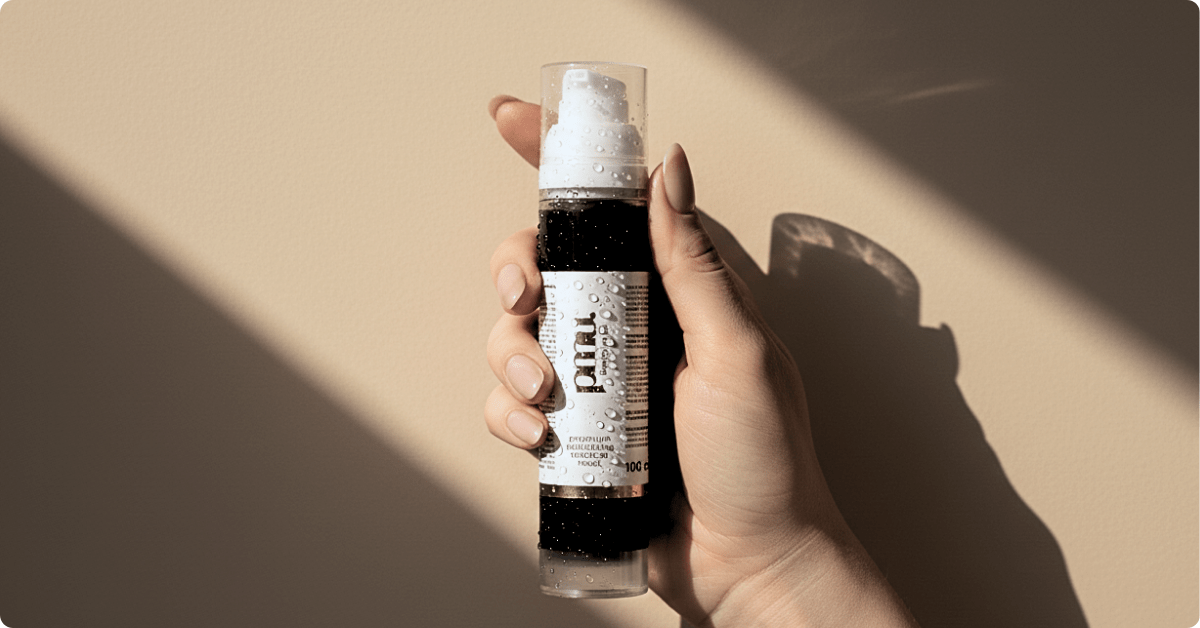
The carbon mask is a specialized colloidal suspension of carbon with the consistency of a thick gel. Once applied to the skin, the colloidal carbon penetrates deeply into the pores, sebaceous gland openings, and any irregularities in the skin’s structure.
Activated carbon has natural adsorptive properties — it absorbs toxins, makeup residue, excess sebum, and dead skin cells. In a way, it prepares the “load” that will later be removed by the laser.
The Action of the Nd:YAG Q-Switch Laser
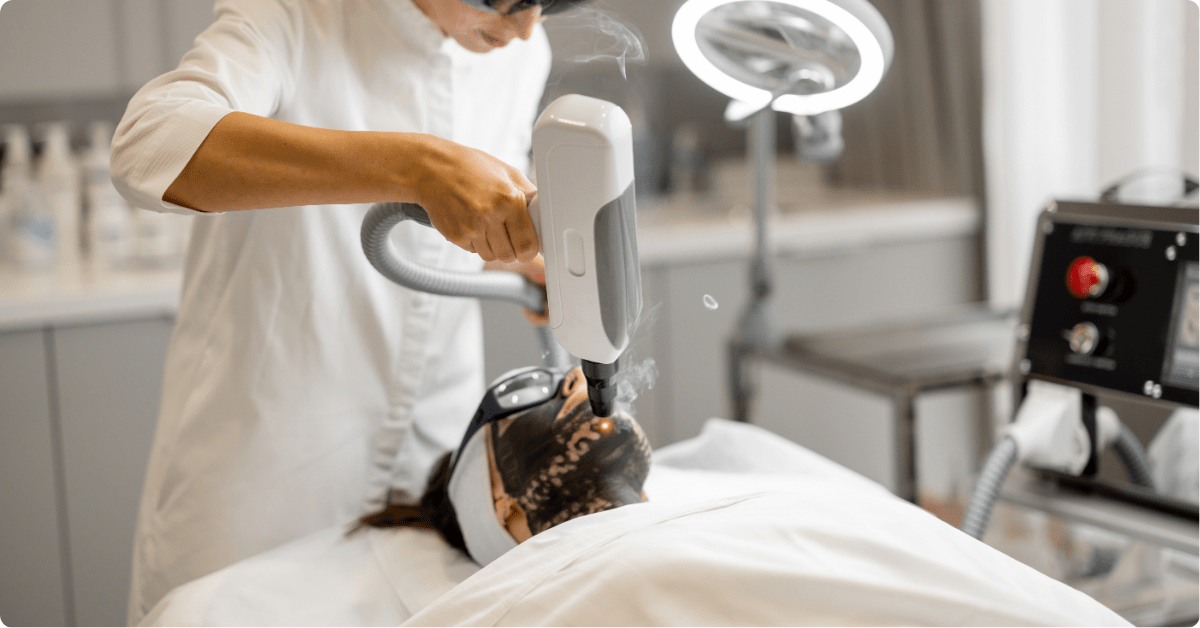
Once the mask is on the skin, we begin working with the laser. The pulse of light is absorbed by the carbon particles (they absorb the light energy — which is crucial to the entire process). This leads to microscopic “explosions” that:
- Detach impurities from the skin’s surface,
- Remove keratinized dead skin cells without damaging the living layers,
- Stimulate skin cells in the deeper layers,
- Stimulate collagen production through controlled micro-thermal damage.
Indications for the Black Doll Treatment in the Studio
Who do we realistically recommend this treatment to in everyday salon practice?
Here are specific indications that have proven effective in our experience:
Skin types ideal for Black Doll:
- Oily and combination skin – with excessive shine in the T-zone and a tendency toward blackheads
- Acne-prone skin (comedonal, papular) – bumps, enlarged pores, and dull complexion are common in these clients
- Grey, dull complexion – lacking radiance and requiring brightening
- Skin with early signs of aging – fine lines, loss of firmness, uneven tone
- Rough skin with visible keratinized buildup
Concerns we effectively address:
- Enlarged pores and excessive sebum production
- Frequent breakouts and blackheads
- Post-acne marks and discoloration
- Uneven skin tone and texture
- Dull, lifeless complexion
A “Red Carpet” Treatment
Black Doll works perfectly as a quick treatment before important events — weddings, photoshoots, or important business meetings. The client leaves the studio with refreshed skin and an immediate “glow” effect, without the need to stay at home for several days.
We particularly recommend this treatment for clients who do not tolerate aggressive chemical peels but need deep cleansing and skin refreshment without the risk of severe irritation.
Preparing the Skin for Permanent Makeup
Clean, well-oxygenated skin with an even texture is every PMU artist’s dream.
Laser carbon peeling before brow, lip, or eyeliner pigmentation provides:
- Removal of blackheads and reduction of excess sebum in the treatment area
- Smoothing of the skin surface, making needle work easier
- Better, more predictable pigment healing
- Evening out skin tone — unified tone before pigmentation allows for more accurate color selection
We recommend a series of 2–3 Black Doll treatments before planned pigmentation.
The Business Perspective
From a studio management standpoint, Black Doll is an almost ideal treatment:
- Duration: approximately 30–40 minutes — easy to fit into the schedule
- No downtime: the client immediately returns to daily life, lowering the decision barrier
- High retention: a recommended series and maintenance treatments every 3–4 weeks mean regular visits
- Increased average ticket value: clients coming for PMU stay for additional services
In a tattoo studio, Black Doll can also be performed on the face or back for clients prone to breakouts. It improves the appearance of the skin around tattooed areas and builds a relationship with the client that goes beyond the tattoo itself.
Black Doll Procedure – Step by Step
Knowing the exact course of the treatment is the foundation of a professional conversation with the client. Here is what a typical visit in our studio looks like:
Step 1: Consultation and Medical History
Every treatment begins with a thorough consultation. We conduct an interview regarding:
- History of skin conditions and current health status
- Medications being taken (especially photosensitizing drugs)
- Recent aesthetic treatments
- Pregnancy and breastfeeding – absolute contraindications
- Recent tanning – we require a minimum 2–3 week break
- Active viral, bacterial, or fungal infections
Etap 2: Przygotowanie skóry
Before applying the carbon mask, we perform:
- Thorough makeup removal using products suitable for the skin type
- Careful cleansing of the face, neck, and/or décolleté
- In cases of thicker keratinized skin – optionally a gentle enzymatic peel
Step 3: Application of the Carbon Mask
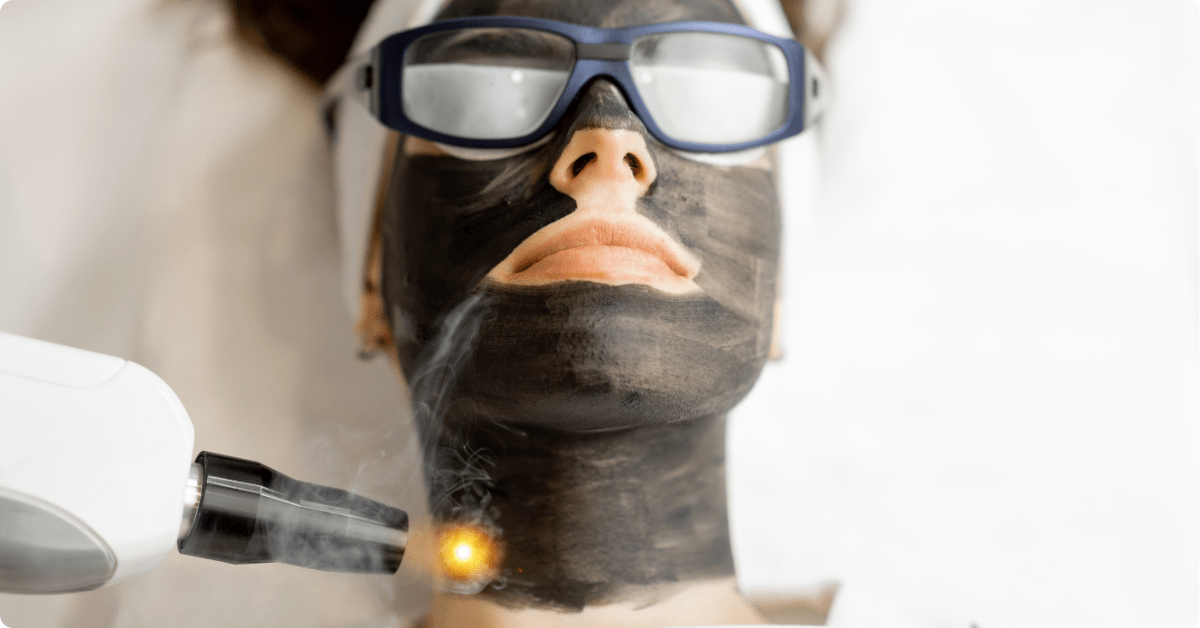
A thin, even layer of a specialized colloidal carbon suspension is applied to the prepared skin. The mask has a characteristic deep black color — hence the name “Black Doll.”
We wait approximately 10–15 minutes to allow the carbon to penetrate the pores and the smallest skin irregularities. During this time, the client can relax.
Step 4: Laser Treatment
This is the main part of the procedure. We perform a series of passes with a high-energy laser over the entire treatment area. The client may feel:
- Light “popping” or “snapping” sensations
- Gentle warmth
- Occasionally mild tingling
Most clients describe these sensations as fully tolerable.
The laser’s action causes the carbon particles to vaporize along with all impurities.
Step 5: Post-Treatment Care
Immediately after the procedure, the skin is gently cleansed, and we apply:
- A soothing serum (often with hyaluronic acid)
- A moisturizing and protective cream
- SPF 50 sunscreen (especially on the day of treatment)
We do not use an occlusive mask — the skin does not require such intensive protection.
Sensations During the Treatment and Safety
“Does it hurt?” — this is the question we hear most often. I want to honestly describe what the client can expect.
Typical Sensations During the Treatment
Most clients describe the following sensations:
- Light “snapping” or “popping” with each laser pulse
- Mild stinging, compared to being flicked with a thin rubber band
- A feeling of warmth that is not unpleasant
- A characteristic smell — this is normal during carbon vaporization
Important: the treatment does not require anesthesia. For the vast majority of clients, it is comfortable — they can talk freely during the procedure, and some even find the gentle “tapping” of the laser relaxing.
Possible Side Effects
After the treatment, the skin may be:
- Temporarily reddened (usually subsides within 1–2 hours, rarely lasting until the next day)
- Slightly tight (this normalizes after moisturizing)
- Occasionally — mildly flaky for 1–2 days
All of this falls within the normal range and does not require special management.
Safety in the Studio
In a professional studio, we follow principles that guarantee safety:
- Working with properly selected laser parameters (adjusted to the skin phototype)
- Protective eyewear for both client and operator
- Full disinfection of equipment and workstation
- Thorough consultation before every treatment
- Continuous training and regular knowledge updates
Black Doll Results and Treatment Frequency
Presenting realistic results is the foundation of building trust. I divide them into those visible immediately and those that develop over time.
Results After One Treatment
After the first session, the client will notice:
- Visibly brighter, more radiant skin
- Smoother texture to the touch
- Less visible pores
- Slight mattifying effect in the T-zone
- A fresh, rested look — radiant “cover-worthy” skin
These effects typically last from several days up to about two weeks, depending on individual skin characteristics and lifestyle.
Results After a Series of 3–6 Treatments
Regular sessions provide longer-lasting benefits:
- Significant reduction in blackheads
- Decrease in minor acne lesions
- More even skin tone — visibly unified complexion
- Smoother skin texture
- Improved firmness and elasticity
- Stimulation of collagen production, translating into long-term anti-aging effects
- Reduction of fine lines
Important Disclaimer
Results depend on many factors:
- Lifestyle (diet, sleep, stress)
- Home skincare routine
- Compliance with post-treatment recommendations
- Individual skin characteristics
Black Doll is a skincare treatment, not a medical therapy. In cases of severe acne (e.g., acne requiring isotretinoin treatment), parallel consultation with a dermatologist is necessary.
Post-Treatment Care – What We Recommend to Clients
Proper home care prolongs the results and minimizes the risk of any irritation. Here are our standard recommendations:
Sun Protection
- Use SPF 30–50 sunscreen for at least 2 weeks after the treatment
- Extra protection during the spring and summer season
- Avoid direct sun exposure between 11 a.m. and 4 p.m.
- Wear a cap or hat for additional facial protection
Daily Skincare (5–7 days after the treatment)
Recommended:
- Gentle facial cleansers (without SLS, without alcohol)
- Moisturizing creams with simple formulations
- Hyaluronic acid serum for hydration (to support skin hydration externally)
- Products with soothing extracts (e.g., chamomile or calendula in higher concentrations)
Avoid:
- Products containing retinoids
- Active acids (glycolic, salicylic, mandelic)
- Alcohol-based cosmetics
- Aggressive exfoliating ingredients
On the Day of the Treatment
- It is best to avoid makeup
- If necessary — only light mineral powder
- Extra caution for sensitive skin
Avoid for at Least a Few Days
- Sauna and steam rooms
- Tanning beds
- Intense sun exposure
- Strong mechanical and chemical peels
- Swimming pools with chlorinated water
- Intense physical activity causing excessive sweating
We also recommend increased water intake and a healthy diet — although dietary supplements are not required, proper hydration supports skin regeneration.
Contraindications and When It’s Better to Postpone Black Doll
Client safety is an absolute priority. Before every treatment, we conduct a detailed consultation to rule out any contraindications.
Absolute Contraindications
- Pregnancy and breastfeeding – insufficient research regarding safety
- Recent tanning – minimum 2–3 weeks since last sun exposure
- Active skin infections – herpes, bacterial or fungal lesions
- Open wounds in the treatment area
- Cancer during active treatment
- Tendency to form keloid scars
Photosensitizing Medications and Substances
Require consultation and often a break before the treatment:
- Certain antibiotics (tetracyclines, fluoroquinolones)
- Oral and topical retinoids
- St. John’s Wort and preparations containing it
- Certain antidepressants
- Diuretics
- Some anti-inflammatory medications
Relative Contraindications (Requiring Individual Assessment)
- Uncontrolled diabetes
- Autoimmune diseases
- Very dark skin tone (higher phototypes)
- Skin with active inflammation
- Recently performed exfoliating treatments
When We Recommend Consultation with a Dermatologist
- Severe forms of acne (especially during isotretinoin treatment)
- Highly reactive and hypersensitive skin
- History of abnormal healing
- Uncertainty regarding suspicious skin lesions
In such cases, the Black Doll treatment may be postponed or modified in terms of laser parameters.