-

Skala Fitzpatricka w PMU
jak naprawdę czytać fototypy skóry
Czym skala Fitzpatricka jest w PMU, a czym nie jest
W dermatologii Fitzpatrick mówi głównie o reakcji na słońce.
W PMU interesuje nas coś innego:
- jak skóra reaguje na uraz,
- jak szybko pojawia się rumień,
- jak intensywnie „pokazuje” pigment,
- jak może wyglądać efekt po wygojeniu.
Dlatego Fitzpatrick w PMU to kontekst, nie instrukcja.
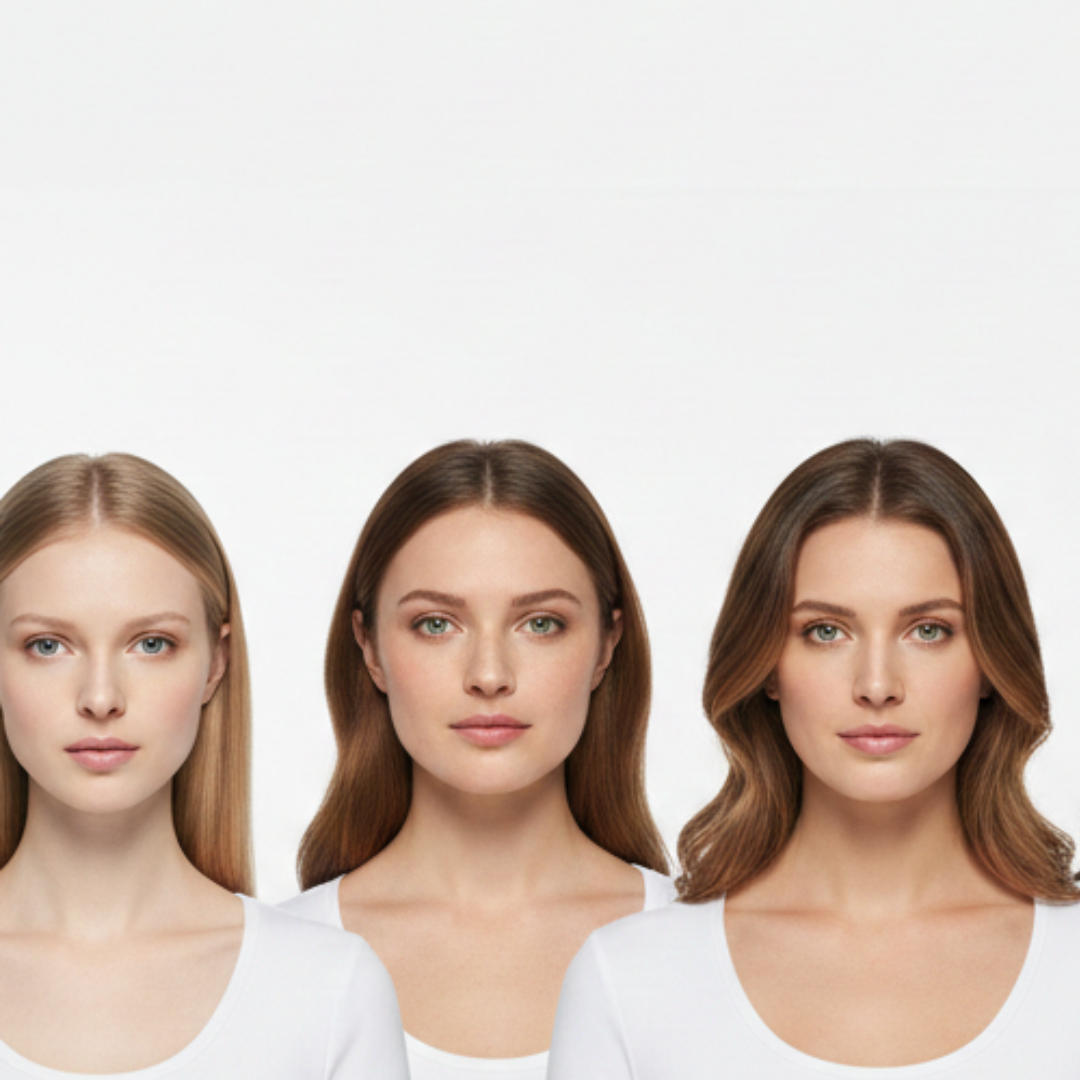
Fototyp I – skóra, która pokazuje wszystko
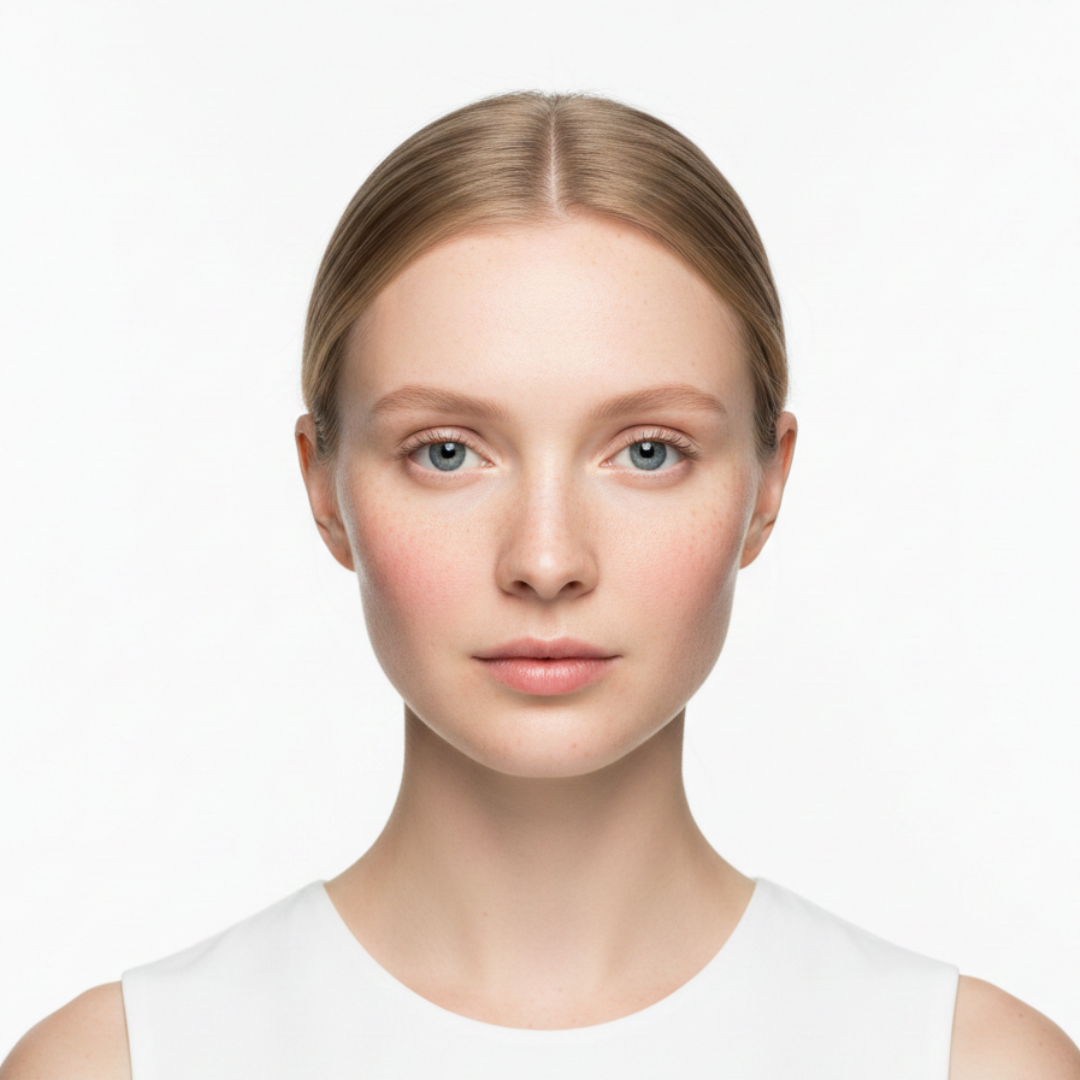
Jak wygląda w praktyce:
- bardzo jasna, porcelanowa,
- często cienka,
- naczynia widoczne gołym okiem,
- szybko się czerwieni, wolniej uspokaja.
To skóra, która nie wybacza.
Każdy błąd jest widoczny szybciej i dłużej.
Co to oznacza dla Ciebie:
- pigment będzie bardziej „widoczny” niż na innych typach,
- zbyt ciepłe tony podbiją rumień,
- zbyt duża intensywność da efekt ciężkości.
Jak myśleć:
Tu zawsze pracujesz z założeniem:
„mniej niż mi się wydaje”.
Jeśli wahasz się między dwoma intensywnościami – wybierz jaśniejszą.
Jeśli zastanawiasz się, czy to już dość – prawdopodobnie tak.

Fototyp II – jasny, ale już z charakterem
Jak wygląda:
- jasna skóra, ale nie „papierowa”,
- rumień pojawia się, ale szybciej znika,
- naczynia nadal mogą być aktywne.
To typ, który często wygląda „bezpiecznie”, ale nadal wymaga ostrożności.
Co to oznacza w PMU:
- nadal trzeba uważać na ciepłe pigmenty,
- łatwo przesadzić z intensywnością,
- pigment może wyglądać pięknie na świeżo, ale za mocno po wygojeniu.
Gabinetowa prawda:
To typ, na którym najczęściej słyszysz po miesiącu:
„może jednak troszkę za mocno”.
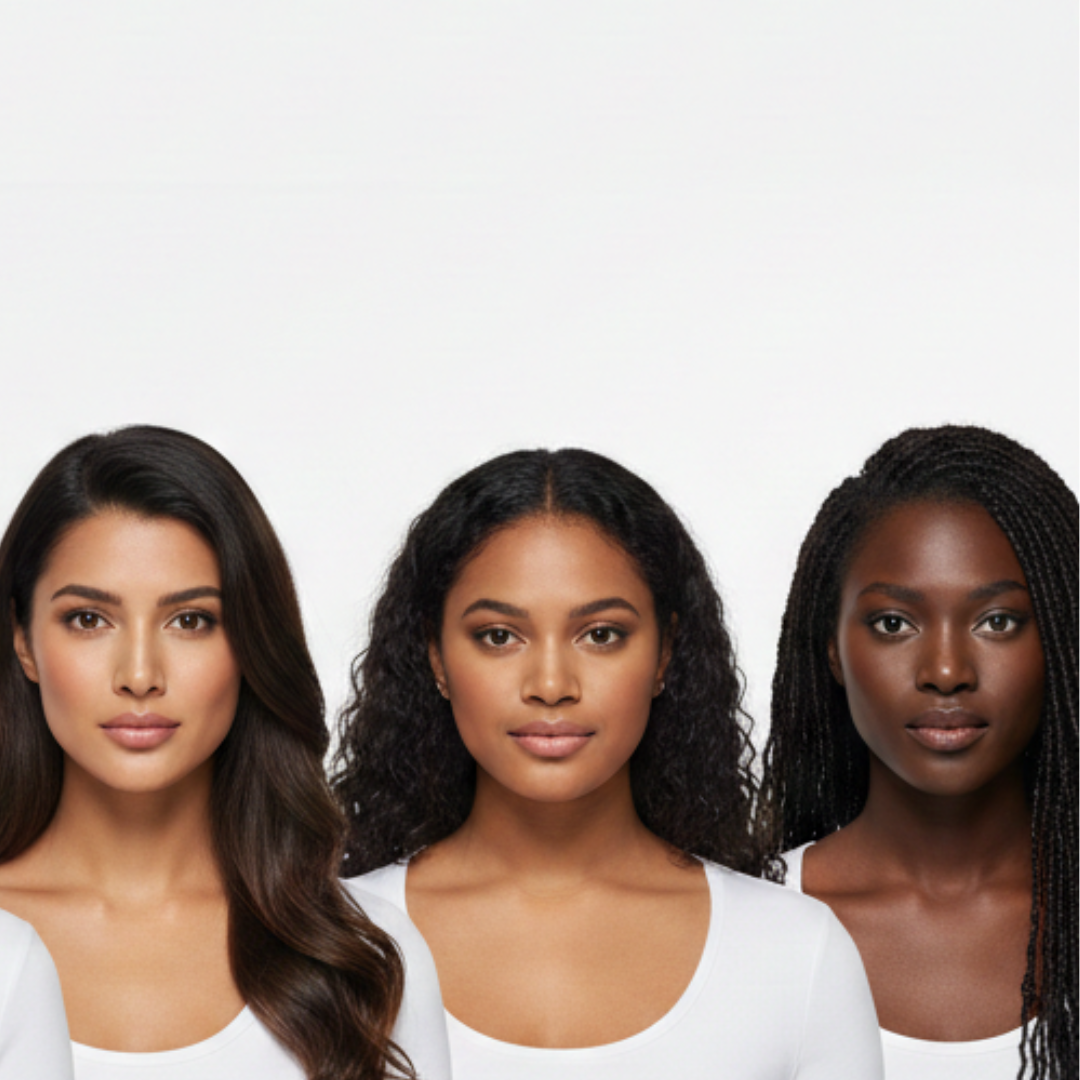
Fototyp III – największa iluzja komfortu
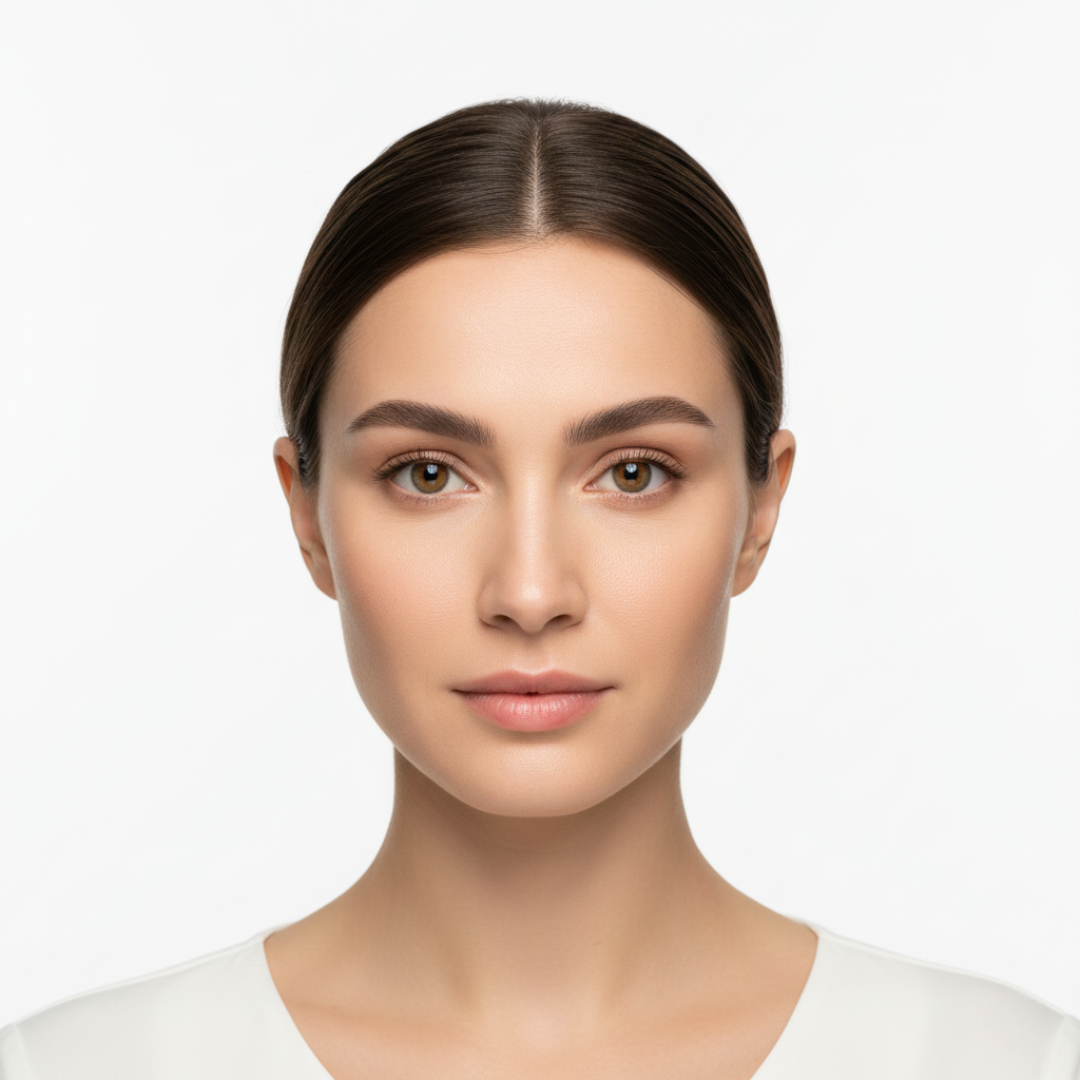
Jak wygląda:
- średnia karnacja,
- mniej reaktywna,
- lepsza tolerancja zabiegu.
To najczęstszy fototyp w gabinetach PMU.
I jednocześnie ten, przy którym najłatwiej się rozluźnić za bardzo.
Co tu bywa zdradliwe:
- pigment „ładnie siada”, więc kusi, żeby dołożyć,
- skóra dobrze znosi zabieg, więc łatwo przesadzić,
- podton bywa ignorowany, bo „jest okej”.
Najczęstszy błąd:
Dobór pigmentu tylko pod Fitzpatricka, bez analizy:
- rumienia,
- temperatury skóry,
- naturalnych kontrastów twarzy,
- spojrzenia na strefę, którą się pigmentuje.
Efekt?
Ładnie na świeżo. Dyskusyjnie po wygojeniu.
Fototyp IV – więcej melaniny, więcej myślenia
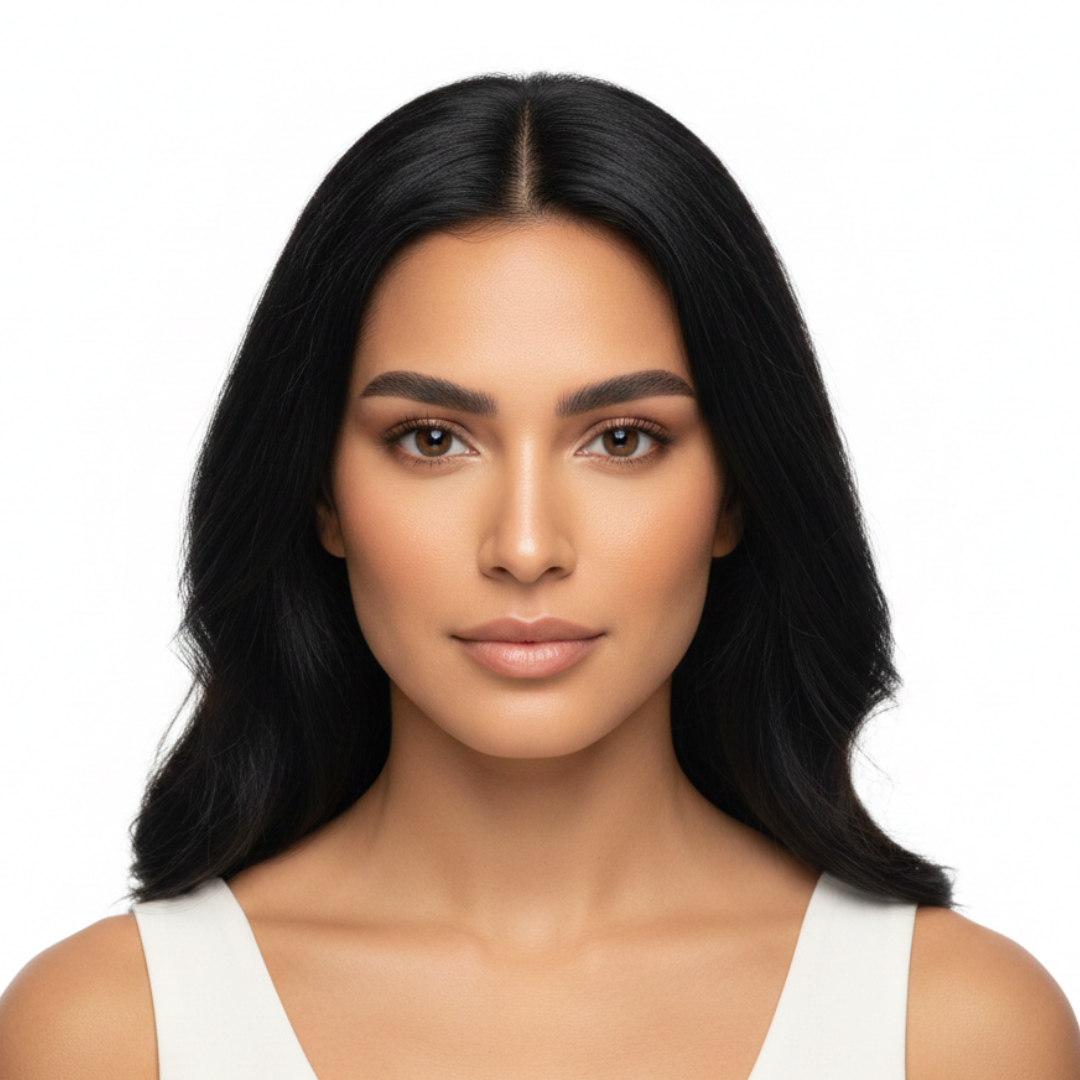
Jak wygląda:
- ciepła, oliwkowa skóra,
- mniejsza skłonność do rumienia,
- wyraźny podton.
To skóra, która dobrze przyjmuje pigment, ale też potrafi go „zmienić” w czasie.
Co to oznacza:
- ciepłe pigmenty mogą wyjść zbyt ciepło,
- brak neutralizacji może dać niepożądany odcień,
- intensywność trzeba planować z wyprzedzeniem.
Tu kluczowe pytanie brzmi:
„Jak ten pigment będzie wyglądał za 2–3 miesiące?”
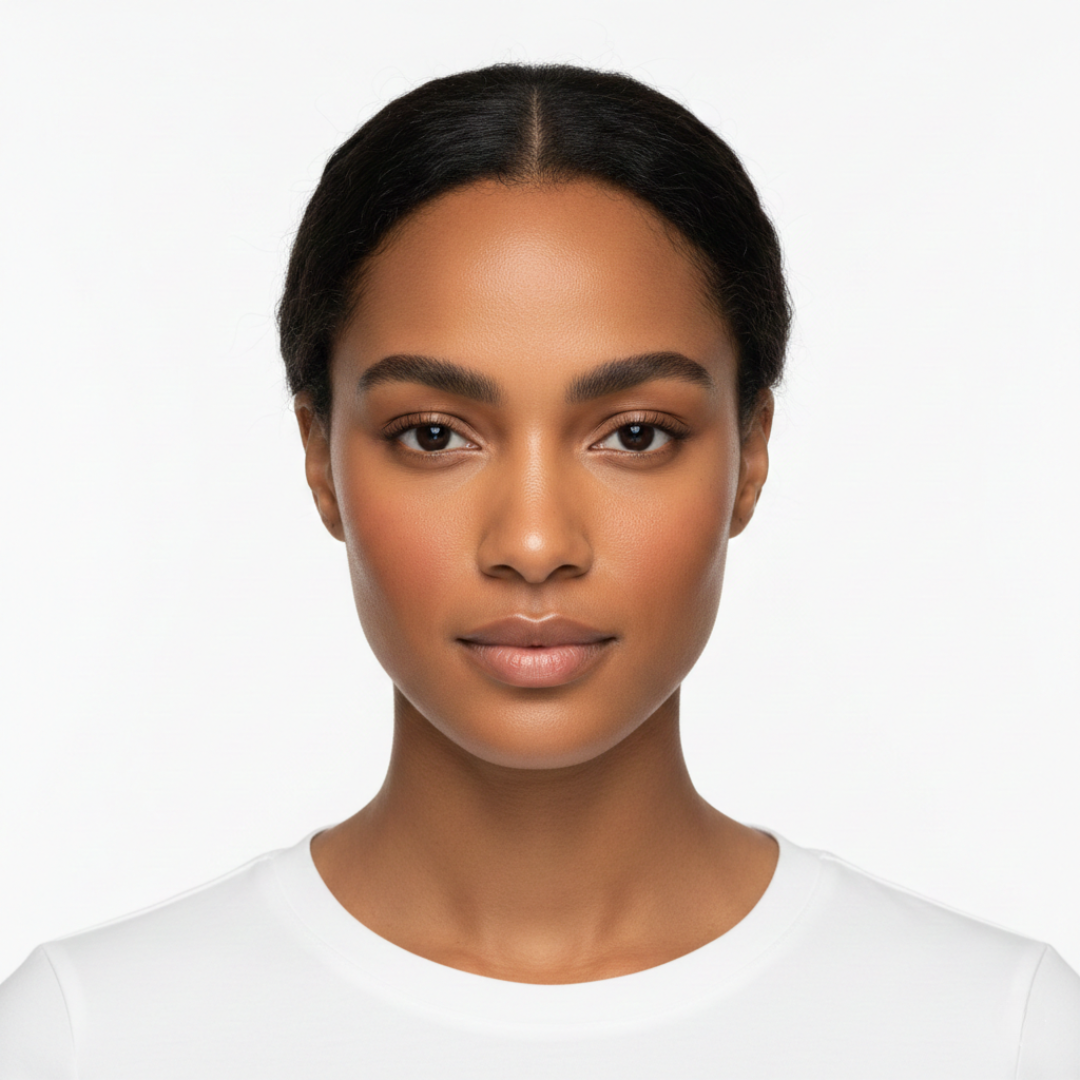
Fototyp V – pigment i melanina w jednym dialogu
Jak wygląda:
- ciemniejsza skóra,
- wysoka zawartość melaniny,
- inna reakcja na uraz.
To typ, przy którym pigment:
- może wyglądać intensywnie na świeżo,
- ale stabilizować się zupełnie inaczej.
Co jest ważne:
- czystość koloru,
- przewidywalność,
- unikanie „brudnych” mieszanek.
Tu nie chodzi o to, żeby było ciemno.
Chodzi o to, żeby było czytelnie i stabilnie.
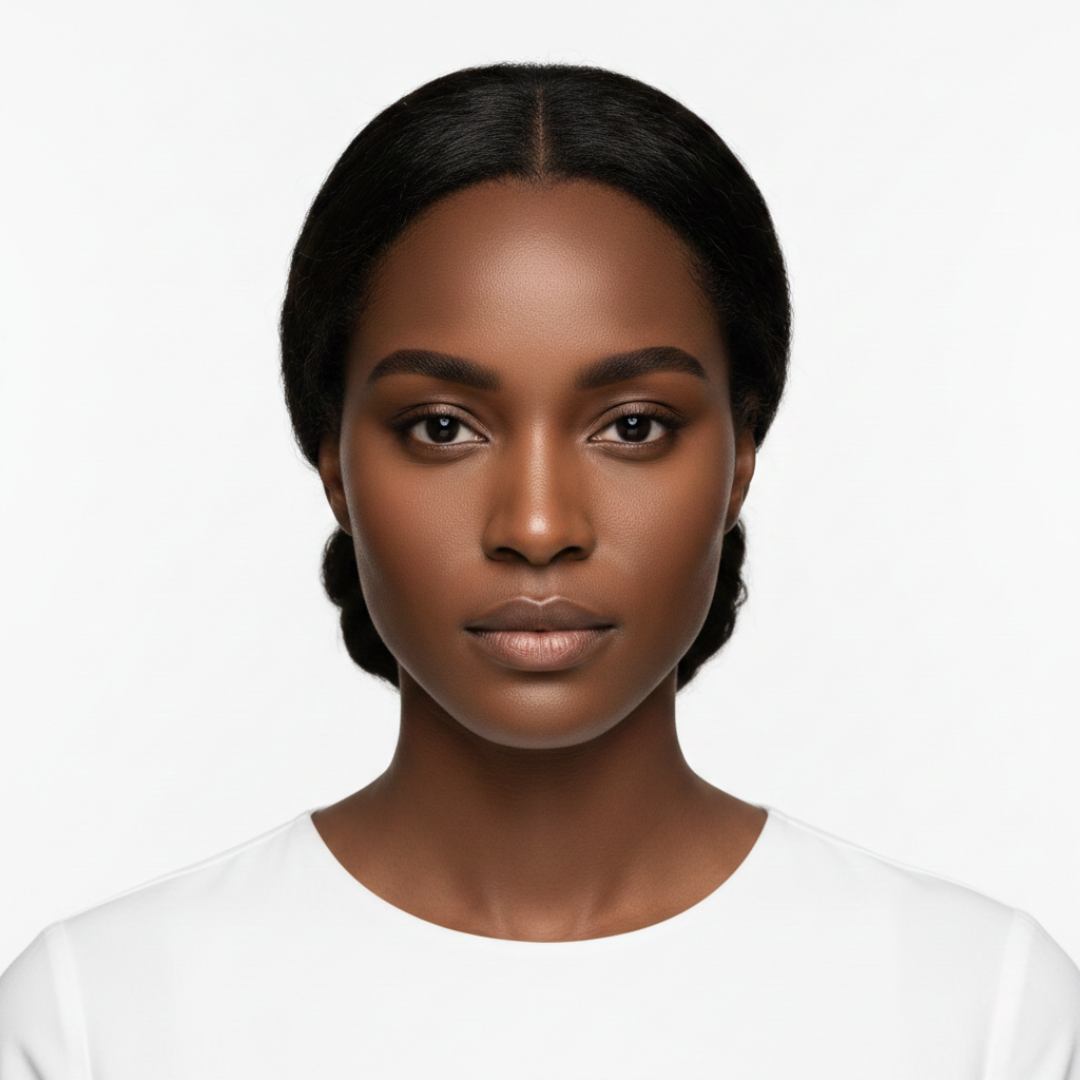
Fototyp VI – tu nie ma miejsca na przypadek
Jak wygląda:
- bardzo ciemna skóra,
- dużo melaniny,
- najmniej „przewidywalna” reakcja pigmentu.
W PMU:
- pigment musi być dobrany z ogromną świadomością,
- intensywność nie zawsze równa się widoczność,
- ważne jest doświadczenie i testowanie.
Tu Fitzpatrick naprawdę mówi Ci:
„zwolnij i pomyśl dwa kroki do przodu”.
Fitzpatrick a rumień, naczynia i podton – czyli gdzie tabela się kończy
Jak wygląda:
- bardzo ciemna skóra,
- dużo melaniny,
- najmniej „przewidywalna” reakcja pigmentu.
W PMU:
- pigment musi być dobrany z ogromną świadomością,
- intensywność nie zawsze równa się widoczność,
- ważne jest doświadczenie i testowanie.
Tu Fitzpatrick naprawdę mówi Ci:
„zwolnij i pomyśl dwa kroki do przodu”.
Skala Fitzpatricka nie mówi:
- czy skóra jest naczyniowa,
- czy ma aktywny rumień,
- czy podton jest ciepły czy chłodny.
Dlatego po określeniu fototypu:
zawsze analizuj te trzy rzeczy osobno.
To one w PMU robią największą różnicę.
Jak używać skali Fitzpatricka w praktyce PMU
Najlepszy schemat:
- Określ fototyp Fitzpatricka.
- Sprawdź reaktywność i rumień.
- Oceń podton.
- Dopiero potem dobieraj pigment.
Jeśli któryś etap się „nie klei” – zatrzymaj się.
Podsumowanie
Skala Fitzpatricka nie jest odpowiedzią.
Jest ostrzeżeniem, kontekstem i drogowskazem.
To Ty podejmujesz decyzję.
Fitzpatrick tylko mówi Ci, jak ostrożna masz być, kiedy ją podejmujesz.